When it comes to maintaining the health of your sewer system, you can’t underestimate the power of preventative measures. Regular inspections and professional cleaning play an essential role in revealing hidden blockages that might disrupt your home’s plumbing. But that’s just one piece of the puzzle. Have you considered the impact of proper waste disposal? Flushing the wrong items can lead to costly problems. And what about the trees in your yard? Their roots could be encroaching on your pipes. There’s more to discover about keeping your sewer system in top shape and understanding these strategies could save you a lot of trouble.
Regular Sewer Inspections
Regular sewer inspections are essential for identifying potential blockages and structural issues before they escalate into costly repairs. By conducting these inspections, you’re not just preventing problems, but you’re also ensuring the community’s well-being and safety. You’ll want to employ advanced techniques like video camera inspections, which provide a clear view inside the sewer lines. This allows you to pinpoint troublesome areas, such as root intrusion, cracks, or misaligned pipes, with precision.
Scheduling these inspections regularly is key. Consider creating a timeline based on your sewer system’s age and material. Older systems, especially those constructed from clay or cast iron, are more prone to issues. By adhering to a routine schedule, you can stay ahead of potential disruptions and protect your infrastructure.
During inspections, look for early signs of corrosion or unusual deposits, which could indicate a chemical imbalance or improper flow. Proactively addressing these findings not only reduces future repair costs but also extends the life of your sewer system. This meticulous approach not only serves your immediate community but also contributes to the broader environmental health, emphasizing your role in safeguarding public resources. Your commitment to regular inspections makes a meaningful difference.
Proper Waste Disposal Practices
Implementing proper waste disposal practices is essential to prevent clogs and maintain the efficiency of your sewer system. Start by ensuring only human waste and toilet paper are flushed down toilets. For more complex issues, professional sewer repair services can address blockages or damages caused by improper waste disposal. Non-flushable items like wipes, feminine hygiene products, and paper towels should be disposed of in waste bins to avoid blockages. In the kitchen, install a sink strainer to catch food particles and debris, preventing them from entering the pipes. For more severe clogs, consider professional drain cleaning to restore proper flow. Avoid pouring fats, oils, and grease down the drain, as they solidify and cause significant obstructions.
To further enhance sewer health, educate your household on what constitutes proper waste disposal. Create a system where everyone’s mindful of separating waste types, emphasizing the long-term benefits for your community. Involve yourself in local initiatives that promote responsible waste management, offering your expertise to help others implement these practices effectively. Regularly maintain your garbage disposal unit, ensuring blades are clean and sharp to grind waste efficiently.
Tree Root Management
To effectively manage tree roots and prevent sewer pipe damage, consider installing root barriers and regularly inspect the proximity of trees to your sewer lines. Root barriers are physical or chemical obstacles placed underground to redirect roots away from pipes. Choose between materials like metal, plastic, or chemical treatments, depending on your landscape’s unique conditions. Placing them strategically can prevent roots from infiltrating and damaging pipes.
Conduct regular inspections of your property’s trees. Use tools like ground-penetrating radar or hire professionals to assess root growth. This proactive approach helps identify potential risks before they escalate into considerable problems. If roots are encroaching, you might need to prune them. Be careful to avoid harming the tree’s health. Consult with arborists to verify proper methods and timing.
Additionally, select tree species with non-invasive root systems, especially when planting near sewer lines. Species like Japanese Maple or Amur Maple have roots that are unlikely to cause issues. By making informed planting choices, you can greatly reduce future maintenance needs.
Grease Trap Maintenance
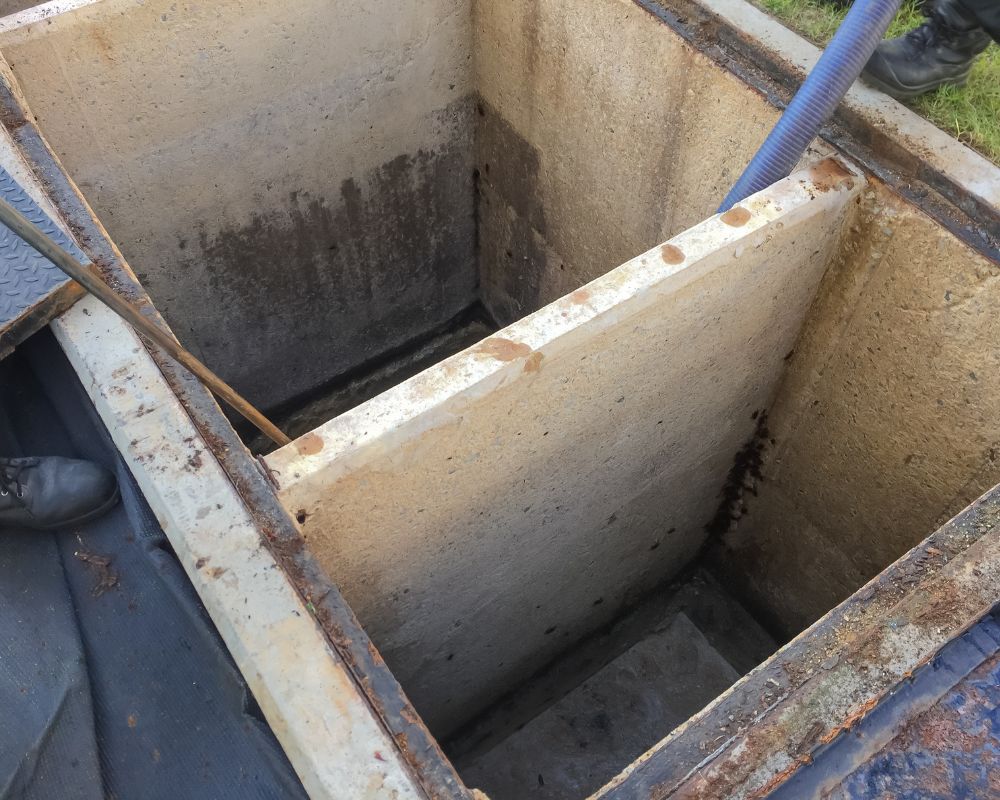
Proper grease trap maintenance is essential for preventing blockages in your sewer system and guaranteeing smooth wastewater flow. Neglecting this critical task can lead to severe clogs, unpleasant odors, and expensive repairs. By maintaining your grease trap, you’re not just keeping your system healthy but also protecting your community from potential hazards. Here’s how you can effectively manage your grease traps:
- Regular Cleaning: Schedule routine cleanings at least every three months to remove accumulated grease and solids.
- Inspect for Wear and Tear: Regularly check for any signs of corrosion or damage to guarantee traps function at their best.
- Use Biological Additives: Introduce natural enzymes or bacteria to help break down grease, reducing build-up.
- Monitor Wastewater Flow: Pay attention to any slow drainage or backups, which may indicate a trap issue.
- Educate Staff: If you run a food establishment, train your staff on best practices to minimize grease entering the system.
Stormwater Control Strategies
Effectively managing stormwater requires integrating strategies like permeable pavements, rain gardens, and retention basins to prevent flooding and protect water quality. By incorporating permeable pavements, you allow water to seep through surfaces, reducing runoff and promoting natural filtration. This technique helps in minimizing surface water that can overwhelm sewer systems. Next, consider implementing rain gardens. These are shallow, planted depressions that capture rainwater from roofs, driveways, or streets, enabling it to soak into the ground rather than entering storm drains. Plant selection is essential; choose native species with deep roots for ideal absorption and filtration.
Retention basins, on the other hand, temporarily store stormwater, releasing it slowly to reduce peak flow rates and allowing sediments and pollutants to settle. This strategy not only aids in flood prevention but also enhances water quality before it’s discharged into local waterways. Ensuring proper design and maintenance is key to their effectiveness. Regular inspections and sediment removal are fundamental components of maintaining these systems.
Sewer Pipe Upgrades
Upgrading sewer pipes is a critical step in enhancing overall sewer infrastructure resilience, guaranteeing efficient water flow, and minimizing the risk of blockages and leaks. When you initiate this task, you’re contributing to a more robust system that serves the community effectively. Start by evaluating the current condition of the pipes. Look for signs of wear, corrosion, or outdated materials that need replacing.
Consider these key factors when planning sewer pipe upgrades:
- Material Selection: Opt for durable, corrosion-resistant materials like PVC or HDPE to extend the lifespan of your sewer pipes.
- Pipe Sizing: Verify pipes are appropriately sized to handle peak flow rates, reducing the likelihood of overflow during heavy rainfall.
- Installation Techniques: Utilize trenchless technology to minimize disruption to the surrounding environment and reduce installation time.
- Regular Maintenance: Establish a routine maintenance schedule to prolong pipe integrity and prevent unexpected failures.
- Cost-Benefit Analysis: Evaluate the long-term savings of reduced maintenance and repair costs against the initial investment in upgrades.
Monitoring System Technologies
To enhance sewer system efficiency and promptly address potential issues, implement advanced monitoring system technologies that provide real-time data on flow rates, blockages, and structural integrity. By integrating sensors and smart analytics, you can gain valuable insights into sewer network performance, enabling proactive maintenance and reducing the risk of unexpected failures. These systems empower you to pinpoint areas of concern before they escalate into costly repairs.
Start by selecting technologies that suit your specific sewer network needs. Ultrasonic flow meters can accurately measure flow rates, while CCTV systems can inspect pipes for blockages or structural weaknesses. Consider using pressure sensors to detect abnormal changes that might indicate a developing issue. Integrate these technologies with a centralized data management platform, which allows for efficient data analysis and timely decision-making.
Educating the Community
Engaging the community in sewer health education is essential for fostering awareness and collaboration in maintaining an efficient and sustainable sewer system. You play a significant role in protecting these fundamental infrastructures. Understanding the impact of improper waste disposal and adopting best practices can prevent costly blockages and environmental harm. To effectively educate, consider the following strategies:
- Organize workshops: Host informative sessions that explain how everyday actions affect sewer systems, emphasizing the importance of proper waste disposal.
- Distribute educational materials: Provide brochures or flyers detailing what can be safely flushed or poured down drains to prevent clogs and damage.
- Use social media campaigns: Leverage online platforms to reach a wider audience with tips and videos on maintaining sewer health.
- Engage schools: Develop programs that educate students on sewer systems, encouraging them to become informed advocates within their families.
- Community involvement: Encourage local volunteer groups to participate in sewer monitoring and cleanup events, building a sense of collective responsibility.
Professional Sewer Cleaning
Professional sewer cleaning is essential for preventing blockages and ensuring the longevity of the sewer system by efficiently removing accumulated debris and obstructions. When you invest in professional drain cleaning services, you’re opting for advanced equipment and experienced technicians who can identify and address potential issues before they escalate. If your plumbing issues extend to remodeling needs, consider updating your plumbing during a bathroom remodel to modernize and enhance efficiency. This proactive approach not only maintains ideal flow but also reduces the risk of costly repairs or environmental contamination.
The process typically involves high-pressure water jetting and mechanical rodding to dislodge stubborn buildups. These methods effectively clear grease, roots, and sediment without damaging the pipes. Regular sewer cleaning schedules can be tailored based on the specific needs and usage patterns of your system, ensuring consistent performance and reliability.
Moreover, professionals employ video inspection technology to provide a thorough assessment of the sewer’s condition. This allows for accurate diagnostics and targeted interventions, minimizing disruption to service. By choosing professional cleaning, you demonstrate a commitment to public health and safety, safeguarding your community against potential hazards. Encourage others to prioritize regular maintenance, as it fosters a collective responsibility for a cleaner, more efficient sewer infrastructure. Your efforts contribute considerably to the well-being and sustainability of your environment.
Emergency Response Planning
Effective emergency response planning involves anticipating potential sewer system failures and establishing clear protocols to mitigate damage and guarantee rapid recovery. You need to assess your sewer infrastructure’s vulnerabilities and develop a plan that addresses these weak points. Swift, organized action during emergencies minimizes risks to public health and the environment. To develop a robust plan, consider these essential components:
- Risk Assessment: Identify potential failure points and the likelihood of each scenario occurring. This helps prioritize which areas require immediate attention.
- Communication Protocols: Establish clear lines of communication among stakeholders to guarantee everyone is informed and can coordinate efforts effectively.
- Resource Allocation: Determine the necessary equipment and personnel ready for deployment at a moment’s notice. This guarantees a swift response to any incident.
- Training and Drills: Regularly conduct training sessions and simulated emergency drills. This prepares your team to respond efficiently and effectively under real pressure.
- Evaluation and Adaptation: After each incident, evaluate the response to identify areas for improvement. Update the plan to address any shortcomings.
Frequently Asked Questions
How Can Household Chemicals Impact Sewer Health?
Imagine your sewer as a delicate ecosystem. Household chemicals act like toxins, disrupting this balance, corroding pipes, and harming beneficial bacteria. Protecting this system guarantees clean water flows, benefiting both your home and the environment.
What Role Do Household Habits Play in Sewer Longevity?
Your household habits directly influence sewer longevity. Avoid flushing non-degradable items or pouring grease down drains. Regular maintenance and mindful disposal practices prevent blockages, promote efficient flow, and guarantee the system serves your community effectively.
How Does Climate Change Affect Sewer Systems?
Picture a sewer system as your trusty steed; climate change increases rainfall, overwhelming and eroding it. You must reinforce infrastructure, adapt designs, and implement sustainable practices to guarantee these systems serve communities effectively and resiliently.
Are There Eco-Friendly Products That Support Sewer Maintenance?
Yes, you can find eco-friendly products like biodegradable cleaners and enzyme-based treatments that support sewer maintenance. These reduce harmful chemicals, prevent clogs, and promote healthier systems, aligning with community-focused environmental sustainability and service.
How Does Soil Composition Influence Sewer Infrastructure?
You need to understand that soil composition directly affects sewer infrastructure stability. Different soils exert varying pressures and impact pipe longevity. Addressing this requires evaluating soil types and reinforcing structures to guarantee reliable service for community welfare.
Conclusion
You’ve explored essential preventative measures for sewer health, learning to inspect regularly, dispose properly, and manage roots effectively. By maintaining grease traps, controlling stormwater, and monitoring systems, you enhance resilience and efficiency. Educate your community, clean professionally, and plan for emergencies to guarantee a robust infrastructure. With these actions, you’re not just solving problems; you’re preventing them, securing a healthier environment and a more reliable sewer system for everyone. Stay informed, stay proactive, and safeguard your sewer network.