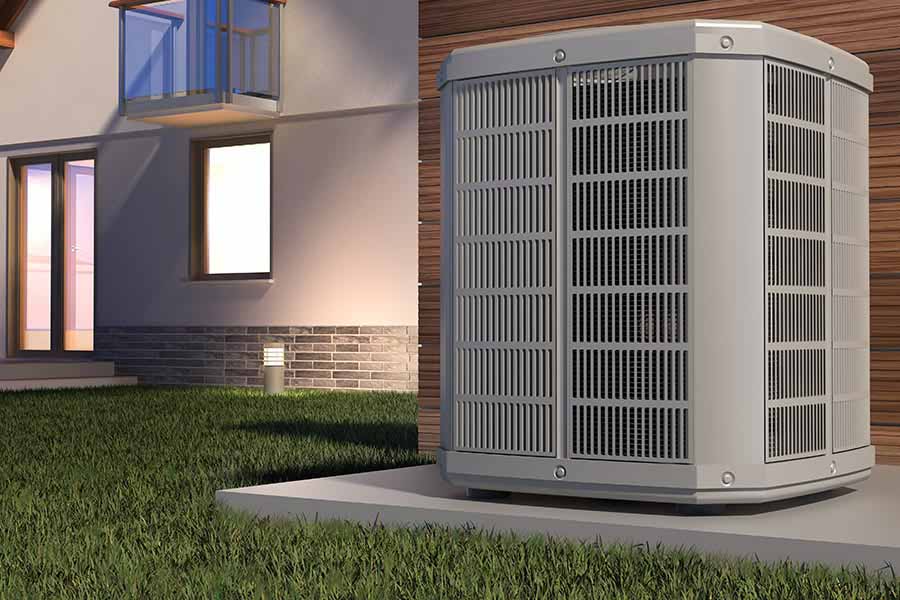
Many homeowners in Oceanside, CA, don’t realize that a simple power supply issue could be the root of their heat pump problems. If your system’s not running smoothly, it might stem from tripped breakers or damaged wires. But that’s just one potential culprit. Other factors could be silently undermining your heat pump’s performance, and understanding them can save you time and money. Let’s investigate what might be going wrong.
Insufficient Power Supply
When your heat pump struggles to operate effectively, it might be due to an insufficient power supply. This issue can stem from various sources, such as tripped circuit breakers or blown fuses.
First, check your electrical panel to make sure everything’s in working order. If you find a tripped breaker, simply reset it and see if that resolves the problem. If the breaker trips again, it could indicate a deeper electrical issue, and you’ll want to call a professional.
Additionally, make sure the heat pump is plugged in and that no wires are damaged. If you’re using an extension cord, consider switching to a direct outlet, as heat pumps require a stable power supply.
Finally, verify that your home’s electrical system can handle the heat pump’s demands. By addressing these factors, you’ll improve your heat pump’s performance and keep your home comfortable. Remember, energy-efficient solutions offered by professionals can help ensure that your system is functioning at its best.
Thermostat Issues
After confirming that your heat pump has a sufficient power supply, the next common issue could be related to the thermostat. If your heat pump isn’t responding as expected, check the thermostat settings first. Make sure it’s set to the correct mode—either heating or cooling—depending on your needs. Sometimes, a simple reset can resolve minor glitches.
Additionally, confirm the thermostat is level and not exposed to direct sunlight or drafts, as these factors can affect its accuracy. If the display is blank or unresponsive, replace the batteries or check the wiring connections.
Don’t forget to verify that the temperature settings are appropriate; you might need to adjust them. It’s important to remember that professional technicians can help diagnose more complex thermostat issues effectively. If you’ve done all this and your heat pump still isn’t functioning, it may be time to call a professional. A technician can diagnose more complex thermostat issues and confirm your system operates efficiently.
Dirty or Clogged Filters
One of the most common issues with heat pumps is dirty or clogged filters. When your filters are blocked, they restrict airflow, making your heat pump work harder than necessary. This can lead to overheating and reduced efficiency, causing your energy bills to spike.
You might notice your system struggling to maintain the desired temperature or even shutting down completely.
To prevent these problems, it’s essential to check and replace your filters regularly—ideally every one to three months. If you’ve got pets or live in a dusty area, you may need to do this more frequently.
Clean filters help improve air quality and guarantee your heat pump runs smoothly. Regular maintenance enhances efficiency and can save you money on utility bills, making it an essential part of your home care.
If you’re unsure about maintaining your filters or if you’ve already noticed issues, don’t hesitate to reach out to Thompson Plumbing Heating & Air Conditioning for expert assistance.
Keeping your system in top shape is key to your comfort!
Refrigerant Leaks
Dirty filters can lead to various issues, but another problem you might encounter with your heat pump is refrigerant leaks.
If your system isn’t cooling effectively, low refrigerant levels could be the culprit. Leaks can develop in the coils or connections, causing the refrigerant to escape. This not only reduces efficiency but can likewise lead to compressor damage if left unaddressed.
You might notice ice buildup on the coils or hear unusual hissing sounds, both signs of a potential leak. Ignoring this issue can result in higher energy bills and decreased comfort in your home.
If you suspect a refrigerant leak, it’s essential to call a professional. This isn’t a DIY fix!
Technicians can accurately locate and repair leaks, then recharge your system with the correct amount of refrigerant. Addressing this issue promptly guarantees your heat pump runs smoothly and efficiently, keeping your home comfortable year-round. Additionally, choosing energy-efficient operation ensures that you maximize comfort while minimizing utility costs.
Mechanical Failures
Mechanical failures can strike at the most inconvenient times, leaving you without the comfort of a functioning heat pump. When this happens, it’s often because of worn-out components, such as the compressor or fan motor.
A broken thermostat can likewise misread temperatures, causing your system to underperform or not run at all.
You might notice strange noises or reduced airflow, indicating something’s off. If you’re experiencing these issues, it’s crucial to act quickly. Ignoring mechanical problems can lead to more severe damage and costly repairs.
Regular maintenance is key to preventing these failures. Scheduling routine check-ups with a reliable service like Thompson Plumbing Heating & Air Conditioning can help catch issues early.
Their expert technicians can provide thorough inspections and repairs, ensuring your heat pump stays operational when you need it most. Don’t wait until it’s too late—take action to maintain your comfort!
Conclusion
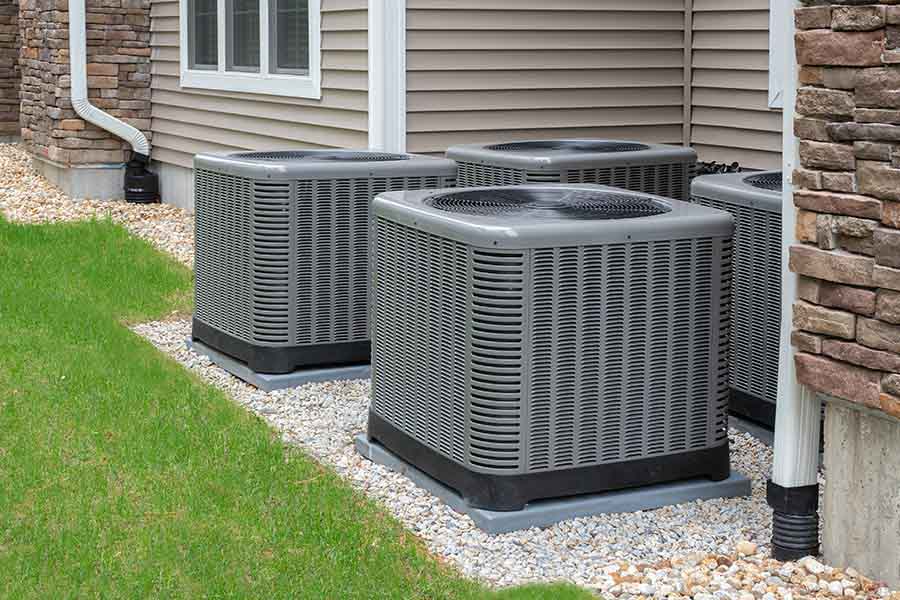
In Oceanside, CA, don’t let a heat pump hassle hinder your home comfort. By addressing power problems, thermostat troubles, filter frustrations, refrigerant leaks, and mechanical malfunctions, you can restore reliable relief. Regular maintenance is your best friend, ensuring a smooth, soothing system. Stay proactive, and your heat pump will keep you cozy during chilly nights. Remember, a little care goes a long way in maintaining your machine’s might and maximizing its lifespan!