Did you know that nearly 50% of household plumbing issues stem from clogged drains and sewers? As a homeowner, it’s essential to distinguish between sewer and drain cleaning, even though they might seem interchangeable. Sewer cleaning tackles the extensive network carrying wastewater from your home to treatment facilities, while drain cleaning focuses on clearing individual pipes like those in your kitchen or bathroom. The tools and techniques vary markedly, impacting how you address and prevent these common problems. How can understanding these differences save you from costly repairs and guarantee your plumbing runs smoothly?
Understanding Sewer Systems
To truly grasp the importance of sewer cleaning, you must understand how sewer systems work and how they differ from drains. Sewer systems are complex networks that transport wastewater from homes, businesses, and industries to treatment facilities. They consist of large pipes that carry waste from multiple buildings, unlike drains, which typically handle wastewater from a single source. Maintaining these systems is vital because a blockage or failure can affect entire communities, leading to health hazards and environmental damage.
Addressing sewer issues is not just about unclogging a pipe; you’re safeguarding public health and supporting community well-being. Sewers are susceptible to blockages due to accumulated debris, tree roots, or even broken pipes. Regular cleaning and inspections are important to prevent these issues. By identifying early warning signs, like slow drainage or unpleasant odors, you can take proactive measures to mitigate problems before they escalate.
Your role in serving others is to guarantee that the sewer systems remain operational and efficient. This involves adopting preventive maintenance strategies, utilizing proper tools and techniques, and following safety protocols to ensure the community’s infrastructure remains reliable and safe.
Overview of Drain Systems
A drain system channels wastewater from a single source, like a household sink or shower, and is vital for preventing localized blockages and maintaining hygiene. As someone who aims to serve others, understanding drain systems helps you address issues promptly, ensuring a cleaner and safer environment. Typically, these systems consist of pipes that lead wastewater from your fixtures to the main sewer line. Each component, such as P-traps and vents, is significant in maintaining the flow and preventing unpleasant odors.
Regular maintenance is key to keeping drains functional. Start by inspecting visible pipes for leaks or corrosion and clearing any debris from strainers. Using baking soda and vinegar periodically can help minimize buildup. If clogs occur, a plunger or drain snake can often resolve the issue without professional intervention.
However, some situations require expert assistance. Knowing when to reach out for professional help, like persistent slow drainage or recurring clogs, saves time and prevents damage. By understanding these systems, you’re better equipped to maintain them, ensuring they operate smoothly and efficiently, ultimately serving those who rely on you for a healthy living space.
Common Sewer Blockages
While maintaining individual drains is important, understanding common sewer blockages helps you tackle larger issues that can affect the entire property. A blockage in the sewer line can lead to unpleasant odors, slow drainage, and even sewage backups, impacting the well-being of those you wish to serve. Identifying and addressing the root causes can prevent problems before they escalate.
Common sewer blockages often arise from:
- Tree Roots: Roots naturally seek moisture and can infiltrate sewer lines, leading to significant blockages. Regular inspections and root-cutting services can help manage this issue.
- Grease Buildup: Grease can solidify and adhere to sewer pipes, accumulating over time and creating stubborn blockages. Implementing grease traps and disposing of cooking oils properly can mitigate this risk.
- Foreign Objects: Items like sanitary products, wipes, or toys flushed down toilets can obstruct sewer lines. Educating users about what not to flush can prevent these blockages.
Address these issues proactively to maintain a functional sewer system for everyone’s benefit. A well-maintained system preserves property value and guarantees a safe and hygienic environment, enhancing your ability to serve others effectively.
Typical Drain Clogs
When dealing with typical drain clogs, it’s essential to identify the most common culprits like hair, soap scum, and food particles to restore ideal water flow efficiently. Hair often accumulates in bathroom drains, creating tangled masses obstructing water movement. In kitchens, leftover food particles can settle in pipes, leading to stubborn blockages. Meanwhile, soap scum, a blend of soap residue and minerals, tends to cling to pipe walls, slowly narrowing the passageway.
To tackle these clogs effectively, start with a plunger. It’s a simple yet powerful tool that uses suction to dislodge obstructions. For hair and soap scum, a drain snake or a barbed plastic tool can reach and pull out the tangled mess. Enzyme-based cleaners are also excellent for breaking down organic material without harsh chemicals, making them a safe option for maintaining clear drains.
Preventive measures are key. Install drain screens to catch hair and larger food particles. Regularly flush drains with hot water to minimize soap scum buildup. By proactively addressing these issues, you not only resolve existing clogs but also enhance your plumbing system’s overall efficiency and longevity, serving those who rely on it.
Sewer Cleaning Techniques
Understanding sewer cleaning techniques is essential for maintaining a healthy plumbing system and preventing costly backups. When you know how to tackle sewer issues effectively, you can save time and resources. One key technique is hydrojetting, which involves using high-pressure water jets to clear stubborn blockages. This method is highly effective for removing tree roots and grease build-up that can wreak havoc on your sewer lines.
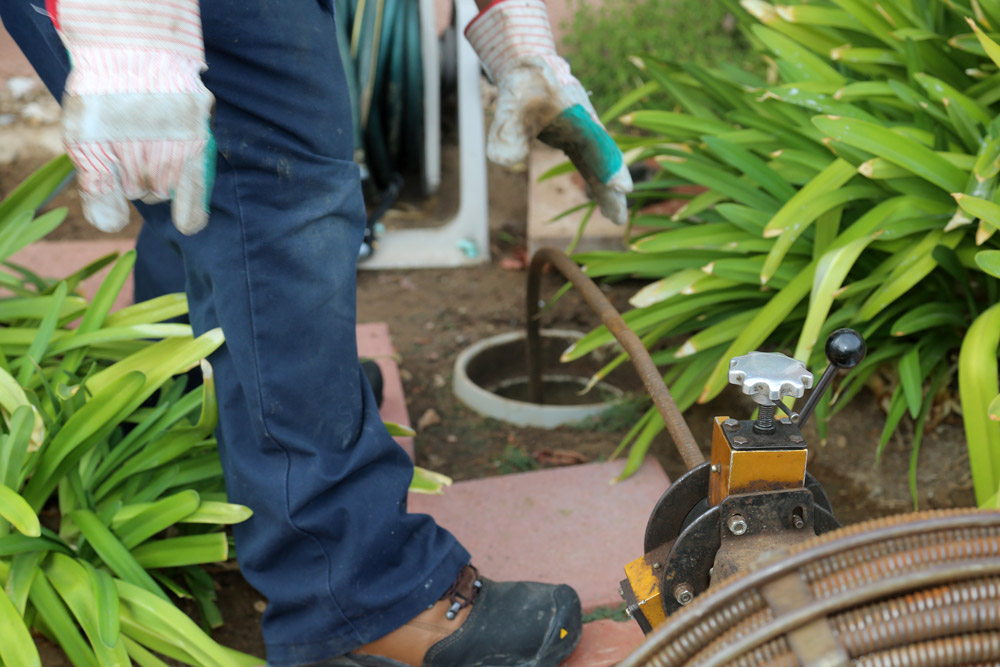
Another reliable approach is using a sewer snake or auger. This tool is perfect for breaking up solid obstructions lodged within your pipes. It’s a straightforward and efficient way to restore flow without resorting to harsh chemicals that could damage the system.
To guarantee efficient sewer cleaning, consider these practical insights:
- Regular Inspections: Schedule periodic checks to catch potential issues early and maintain a smoothly running system.
- Professional Assistance: Don’t hesitate to call in experts when complex problems arise—they possess the experience and tools to handle intricate scenarios.
- Preventive Maintenance: Implement a routine cleaning schedule to minimize the risk of blockages and prolong the life of your sewer system.
Drain Cleaning Methods
Tackling drain cleaning effectively requires the right tools and techniques to prevent blockages and guarantee peak flow in your plumbing system. First, you should regularly inspect your drains for early signs of clogging. Slow drainage, gurgling noises, or unpleasant odors are indicators that you need to take action. Begin with simple methods like pouring boiling water down the drain, which can dissolve minor build-ups of grease or soap.
For more stubborn clogs, utilize a mixture of baking soda and vinegar. This natural cleaner creates a chemical reaction to break down debris lodged in the pipes. Pour equal parts baking soda and vinegar into the drain, cover it, and let the mixture sit for at least 15 minutes before flushing with hot water.
If these methods don’t work, a drain snake or auger could be necessary. Insert it into the drain until you feel resistance, then twist and pull to dislodge the clog. Consider enlisting professional help to guarantee thorough cleaning and prevent damage for larger or more persistent issues.
Tools for Sewer Cleaning
While drain cleaning focuses on smaller blockages, sewer cleaning requires specialized tools to tackle larger obstructions and maintain the entire system’s integrity. Understanding these tools is crucial for those committed to serving others with precision. Sewer cleaning involves more than brute force; it requires technical expertise and practical insights to guarantee thorough and effective cleaning.
A core tool in sewer cleaning is the sewer jetter. This device uses high-pressure water jets to dislodge stubborn debris, guaranteeing the smooth flow of wastewater. Its ability to navigate complex pipe systems makes it indispensable for extensive sewer maintenance. Additionally, consider the power rodding machine, which uses flexible rods to break through tough blockages, restoring full functionality.
To keep sewer systems in prime condition, you should be familiar with:
- Sewer Cameras: These allow you to visually inspect the interior of pipes, pinpointing blockages and damage.
- Hydro Jetters: Essential for clearing grease, sludge, and debris with high-pressure water.
- Root Cutters: Perfect for removing intrusive tree roots that compromise sewer lines.
Equipment for Drain Clearing
When clearing drains, you’ll rely on specialized equipment to remove smaller-scale blockages and efficiently guarantee ideal flow. A fundamental tool is the manual drain snake, a flexible cable inserted into the drain to dislodge clogs. It’s effective for minor obstacles like hair or food particles. You’ll appreciate its simplicity and low cost, making it a go-to for quick fixes.
For more stubborn blockages, consider an electric drain auger. This powered version of a snake extends deeper, with rotating blades that cut through tougher clogs. It’s particularly useful if you’re dealing with recurring issues, ensuring a thorough cleanup without excessive physical effort.
Another essential tool is the hydrojet. High-pressure water jets clear blockages and clean pipe walls, enhancing flow efficiency. They are environmentally friendly and reduce the risk of future build-up.
Don’t overlook drain cameras, which allow you to inspect the inside of pipes. They help identify the cause of persistent problems, enabling targeted solutions. By using the right equipment, you can tackle blockages effectively, ensuring the drains function effectively and continue serving others with minimal disruption.
Professional Cleaning Services
Hiring professional cleaning services guarantees thorough and efficient solutions for complex or persistent drain issues that outmatch DIY methods. An experienced technician can diagnose problems accurately using advanced tools and methods unavailable to homeowners. By understanding the intricacies of your drainage system, professionals can address symptoms and underlying causes, preventing future problems.
When you enlist professional help, expect a thorough service that includes:
- Inspection: Experts use camera inspections to pinpoint blockages or damage, ensuring nothing is overlooked.
- Specialized Equipment: High-pressure water jetting and mechanical augers efficiently clear stubborn clogs and debris, restoring proper flow.
- Expertise and Experience: Technicians bring years of experience and training, allowing them to identify issues quickly and offer effective solutions tailored to your system’s needs.
Choosing professional services not only resolves current issues but also contributes to the longevity and health of your drainage system. By working with skilled practitioners, you’re not just fixing a problem—you’re investing in the future functionality of your home or business’s plumbing infrastructure. This proactive approach demonstrates your commitment to serving others by maintaining a safe and efficient environment.
Preventative Maintenance Tips
Implementing preventative maintenance tips regularly can greatly reduce the chances of drain and sewer issues, ensuring your system runs smoothly and efficiently. Start by installing drain screens to catch debris before it enters your pipes. This first line of defense prevents hair, soap, and food particles from causing clogs. Also, make it a habit to flush your drains with hot water weekly. This simple act helps dissolve buildup and keeps your pipes clear.
Every month, use baking soda and vinegar to clean your drains naturally. Pour half a cup of baking soda and half a cup of vinegar down the drain. Let it sit for 15 minutes, then flush with hot water. This combination not only cleans but also deodorizes, leaving your drains fresh.
Be mindful of what you pour down your drains and toilets. Avoid disposing of grease, oils, and non-flushable items, as they can solidify and obstruct your pipes. If you notice slow drainage or unusual odors, address them promptly to avoid larger problems.
Incorporate these steps into your routine, and you’ll support a healthy plumbing system, ultimately serving others by maintaining a safe and functional environment.
Conclusion
In the world of plumbing, an ounce of prevention is worth a pound of cure. By recognizing the distinct roles of sewer and drain cleaning, you can tackle blockages effectively and avoid costly repairs. Use the right tools and techniques for each system, whether a hydrojetter for complex sewer networks or baking soda for a simple drain clog. Regular maintenance is key, so don’t wait for trouble to bubble up—act now and keep everything flowing smoothly.
Frequently Asked Questions
How Can I Identify if I Have a Sewer or Drain Issue?
Check multiple fixtures to identify if it’s a sewer or drain issue. If clogs affect several, it’s likely a sewer problem. Single fixture issues usually indicate a drain problem. Listen for gurgling sounds and watch for slow draining.
Do Sewer and Drain Cleaning Require Different Skill Sets?
Imagine a chef using different knives for slicing and dicing. Similarly, sewer and drain cleaning require distinct skills. Sewer cleaning demands expertise in tackling complex blockages, while drain cleaning focuses on simpler pipe maintenance. Each requires unique solutions.
What Are the Environmental Impacts of Sewer and Drain Cleaning?
You should consider the environmental impacts like chemical runoff and water contamination. Using eco-friendly products and proper disposal methods minimizes harm. Choose sustainable practices to protect water systems while maintaining effective sewer and drain cleaning.
Are There DIY Solutions for Both Sewer and Drain Cleaning?
You can become a DIY superhero with basic tools and techniques to tackle minor clogs. Vinegar, baking soda, or a plunger can work wonders. For sewers, a snake may be necessary, but proceed cautiously.
How Often Should Professionals Inspect Sewer and Drain Systems?
Professionals should inspect your sewer and drain systems at least once a year. This proactive approach helps detect issues early, ensuring efficient functioning and preventing costly repairs. It ultimately serves homeowners’ best interests and maintains system integrity.