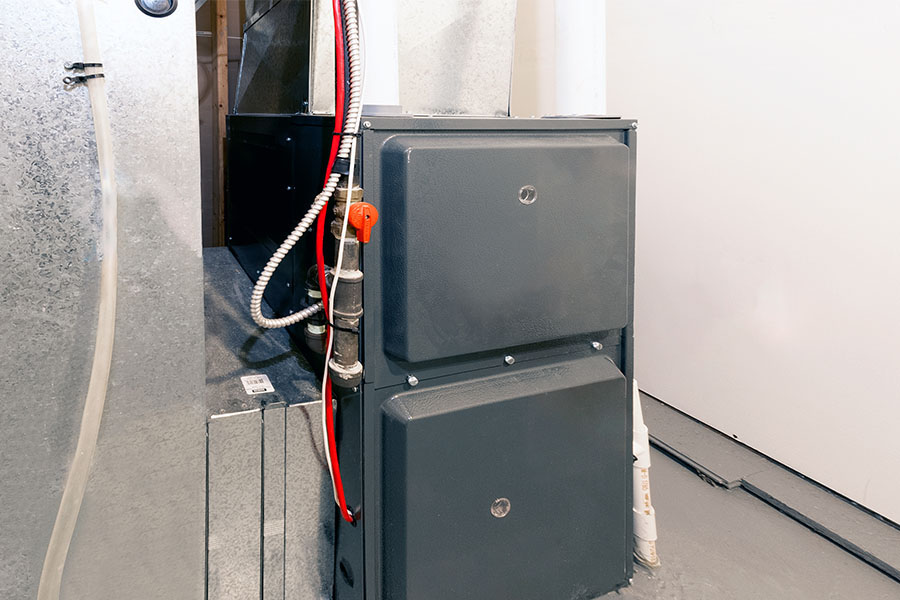
Your furnace could be the most efficient heating system in Escondido, but most homeowners don’t realize how easy it is to improve its performance. With just a few simple steps, you can enhance efficiency and comfort while saving on energy bills. Wondering how to get started? Here are ten expert tips that can help you achieve a warmer home without breaking the bank.
Schedule Regular Maintenance
To guarantee your furnace runs efficiently, it’s essential to schedule regular maintenance. This proactive approach helps identify potential issues before they escalate, saving you time and money.
A technician can check and clean critical components, ensuring your system operates at peak performance. Regular maintenance not only enhances efficiency but also extends your furnace’s lifespan, giving you peace of mind during those chilly months.
By investing in maintenance, you’ll also improve indoor air quality, as a well-tuned furnace circulates air more effectively. Additionally, it helps maintain consistent heating throughout your home, preventing cold spots that can make your living space uncomfortable.
Don’t wait for problems to arise; set up a maintenance schedule today. Your furnace will thank you with improved efficiency, and you’ll enjoy a cozy, warm home all winter long. Regular check-ups are crucial for preventing unexpected breakdowns, which can lead to costly repairs.
Trust Thompson Plumbing Heating & Air Conditioning for expert service tailored to your needs in Oceanside, CA.
Change Your Air Filter Frequently
Changing your air filter frequently is one of the simplest ways to boost your furnace’s performance.
A clean filter enhances airflow efficiency, allowing your system to work more effectively and consume less energy.
Plus, it helps maintain better indoor air quality, keeping your home comfortable year-round. Regular maintenance can also extend the lifespan of heating units, ensuring you get the most out of your investment.
Enhanced Airflow Efficiency
Regularly changing your furnace’s air filter is crucial for enhancing airflow efficiency. A clean filter helps guarantee that air flows freely, allowing your furnace to operate smoothly and effectively.
Neglecting this simple task can lead to reduced airflow, forcing your furnace to work harder and potentially causing unnecessary wear and tear.
Here are some tips for changing your air filter:
- Check your filter every month, especially during heavy use.
- Replace it at least every three months or more frequently if you have pets.
- Use the right filter type for your furnace model.
- Keep a reminder on your calendar to stay on track.
Reduced Energy Consumption
Regularly changing your air filter can considerably reduce energy consumption in your furnace. A clogged or dirty filter restricts airflow, forcing your furnace to work harder to maintain the desired temperature. This extra effort leads to higher energy use and can increase your utility bills.
By replacing the filter every one to three months, you’ll guarantee ideal airflow and efficiency, helping your furnace operate smoothly. It also prolongs the lifespan of your system, reducing the need for costly repairs or replacements.
Plus, cleaner air filters improve indoor air quality, benefiting your health and comfort. Make it a habit to check your filter regularly and keep your furnace running efficiently. You’ll notice the difference in both comfort and energy savings.
Seal Ductwork Leaks
Sealing ductwork leaks is essential if you want to boost your furnace’s efficiency. Start by identifying where those leaks are hiding, and then use the right sealants to fix them. This simple step can greatly improve your home’s heating performance and save you money on energy bills. Additionally, addressing these leaks not only enhances heating efficiency but also improves indoor air quality, which is crucial for a healthy living environment.
Identify Leak Sources
Identifying leak sources in your ductwork is essential for maintaining ideal furnace efficiency, as even small gaps can lead to significant energy loss.
Start by inspecting visible ductwork in your basement, attic, or crawl spaces. Look for any signs of wear, loose connections, or disconnected sections. You might also want to conduct a simple smoke test, where you use incense or a candle to see if the smoke is drawn away, indicating a leak.
Here are some common areas to check for leaks:
- Joints and seams in ductwork
- Connections to vents and registers
- Areas around the furnace and air handler
- Ducts running through unconditioned spaces
Finding and sealing these leaks can dramatically improve your furnace’s efficiency.
Use Proper Sealants
Once you’ve located any leaks in your ductwork, the next step is to seal them properly.
Using the right sealants is essential for maintaining your furnace’s efficiency. Opt for mastic sealant or metal tape, as they provide strong, lasting bonds. Avoid using regular duct tape; it tends to fail over time.
Clean the areas around the leaks before applying your sealant to guarantee a tight seal. After sealing, check for any remaining leaks, as even small gaps can lead to significant energy loss.
Regularly inspect your ductwork, especially during seasonal changes, to make sure everything stays sealed. By taking these steps, you’ll enhance your furnace’s performance and save on energy costs.
Install a Programmable Thermostat
Installing a programmable thermostat can greatly enhance your furnace’s efficiency, allowing you to save on energy bills while maintaining a comfortable home environment.
By setting specific heating schedules, you can guarantee that your furnace runs only when needed, reducing unnecessary energy consumption.
Here are some benefits of using a programmable thermostat:
- Customizable schedules: Set different temperatures for day and night to match your routine.
- Energy savings: Lower your heating costs by reducing usage when you’re not home.
- Remote access: Control your thermostat from anywhere using your smartphone.
- Improved comfort: Maintain a consistent temperature, ensuring your home stays cozy.
Additionally, a well-functioning heating system is crucial for restoring comfort during colder months, ensuring your home remains warm and inviting.
Keep Vents Unblocked
To guarantee your furnace operates efficiently, it’s important to keep vents unblocked. Blocked vents restrict airflow, causing your system to work harder, which can lead to increased energy bills and premature wear.
Regularly check each vent for obstructions like furniture, curtains, or dust buildup. A simple vacuum can often do the trick to clear out any debris.
Also, make sure that your vents are open and adjusted properly according to your heating needs. If you notice cold spots in certain rooms, it might indicate that a vent is closed or obstructed.
Don’t forget about your return vents, too; these are critical for efficient airflow. Keeping them clear ensures a smooth return of air to your furnace.
Insulate Your Home Properly
Keeping your vents clear is just one part of guaranteeing your furnace runs efficiently.
Proper insulation is equally essential. When your home is well-insulated, it retains heat better, allowing your furnace to operate more effectively and use less energy.
Here are some key areas to focus on:
- Attics: Confirm your attic is insulated to prevent heat loss.
- Walls: Insulate exterior walls to keep cold air out.
- Basements: Insulate basement walls to maintain warmth on the lower levels.
- Windows and Doors: Use weather stripping or caulking to seal gaps.
Upgrade to a High-Efficiency Furnace
If you’re looking to boost your home’s efficiency, upgrading to a high-efficiency furnace is a smart move.
These furnaces come with impressive energy efficiency ratings and advanced technology features that can markedly lower your utility bills.
In the long run, you’ll enjoy substantial cost savings while keeping your home comfortable.
Energy Efficiency Ratings
Upgrading to a high-efficiency furnace can considerably lower your energy bills while enhancing your home’s comfort.
When shopping for a new furnace, pay attention to the energy efficiency ratings. These ratings indicate how effectively a furnace converts fuel into heat.
Here are key points to take into account:
- Annual Fuel Utilization Efficiency (AFUE): Look for a rating of 90% or higher for best energy savings.
- Energy Star Certification: Choose models that meet or exceed Energy Star standards for better performance.
- Size Matters: Confirm the furnace is properly sized for your home to avoid energy waste.
- Incentives: Check for local rebates or tax credits for high-efficiency models, which can offset initial costs.
Investing in a high-efficiency furnace pays off in the long run!
Advanced Technology Features
Investing in a high-efficiency furnace not only lowers your energy bills but also introduces advanced technology features that enhance comfort and convenience.
With features like variable-speed blowers, you can enjoy consistent heating and reduced noise levels. Smart thermostats allow you to control your home’s temperature from anywhere, optimizing your heating schedule for maximum efficiency.
Many high-efficiency models come equipped with modulating gas valves, adjusting the flame size based on your heating needs, which prevents temperature swings. Additionally, some units offer advanced filtration systems that improve indoor air quality.
By upgrading to a furnace with these innovative technologies, you’ll experience a more comfortable living environment while staying energy-efficient and eco-friendly.
Don’t miss out on these benefits; consider an upgrade today!
Long-Term Cost Savings
When you choose to upgrade to a high-efficiency furnace, you can markedly lower your energy bills over time.
These furnaces use less fuel to generate the same amount of heat, translating to significant savings. While the initial investment might be higher, the long-term benefits far outweigh the costs.
You’ll enjoy:
- Lower monthly utility bills
- Reduced carbon footprint, benefiting the environment
- Increased home value due to modern upgrades
- Fewer repairs and maintenance expenses over time
Check and Clean the Blower Fan
Keeping your furnace running efficiently starts with an essential step: checking and cleaning the blower fan. This component plays a significant role in distributing warm air throughout your home. Over time, dirt and dust can accumulate, reducing airflow and forcing your furnace to work harder.
To start, turn off your furnace and locate the blower fan. Use a soft brush or a vacuum with a brush attachment to gently clean the blades and surrounding area. Make sure to remove any debris that might be obstructing airflow.
Regularly inspecting the blower fan not only boosts your furnace’s efficiency but also extends its lifespan. You should aim to perform this maintenance at least once a year, ideally before the heating season kicks in.
Use Zone Heating Strategies
How can you save on heating costs while maintaining comfort in your home? One effective method is to use zone heating strategies. By heating only the rooms you use the most, you can appreciably reduce your energy bills and guarantee a cozy atmosphere where it matters.
Here are some tips to implement zone heating in your home:
- Close vents in unused rooms to redirect heat to frequently used spaces.
- Utilize space heaters for specific areas, providing warmth without heating the entire house.
- Install programmable thermostats to adjust temperatures based on your schedule, keeping warmth where you need it.
- Use curtains or blinds to trap heat during the day and insulate at night.
Monitor and Adjust Humidity Levels
Maintaining the right humidity levels in your home is essential for both comfort and energy efficiency. When humidity is too high or too low, it can strain your furnace, causing it to work harder and use more energy. Aim for indoor humidity levels between 30% and 50%. A hygrometer can easily monitor humidity, helping you stay on track.
If your home’s air feels dry, consider using a humidifier to add moisture. Conversely, if it feels damp, a dehumidifier can help reduce excess humidity.
Adjusting your furnace’s settings can also aid in maintaining ideal humidity. Many modern systems allow for humidity control, so check your thermostat options.
Conclusion
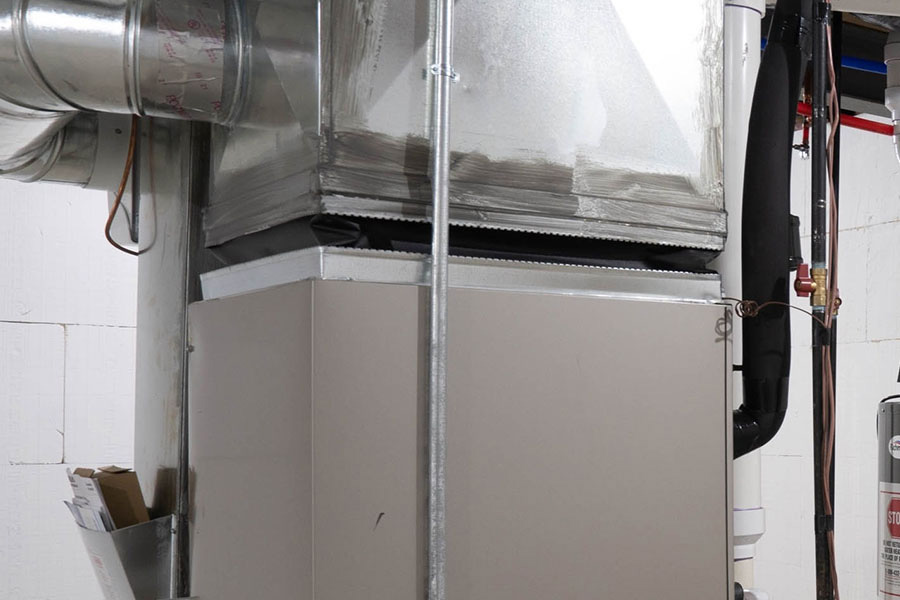
By embracing these expert tips, you’re not just enhancing your furnace’s efficiency; you’re nurturing your home’s warmth and comfort. Regular maintenance and smart upgrades can turn your furnace into a reliable companion, quietly working behind the scenes to keep your family cozy. Remember, a little attention now can prevent bigger headaches later, ensuring your home remains a sanctuary during chilly Escondido nights. Invest in your comfort today, and let your furnace do its job with grace.