When it comes to maintaining your home’s plumbing, catching a clogged drain early can save you time and hassle. You might notice water draining slower than usual or detect unpleasant odors wafting from your sink. These subtle signs shouldn’t be ignored, as they often signal debris buildup. Also, keep an ear out for gurgling noises, which suggest air struggling through blockages. Addressing these issues promptly can prevent more severe problems, like water backups or frequent clogs. But how do you go beyond just noticing these signs? There’s more to explore about proactive measures and prevention strategies.
Slow Drainage
A clear indicator of a clogged drain is when you notice water taking longer than usual to disappear down the sink or tub. This slow drainage often means there’s a buildup of debris, such as hair, soap scum, or food particles, restricting water flow. As someone who aims to serve others, it’s crucial to address this promptly to prevent further complications. Start by observing the draining speed every time you use the sink or tub. Consistent slow drainage suggests the issue is worsening.
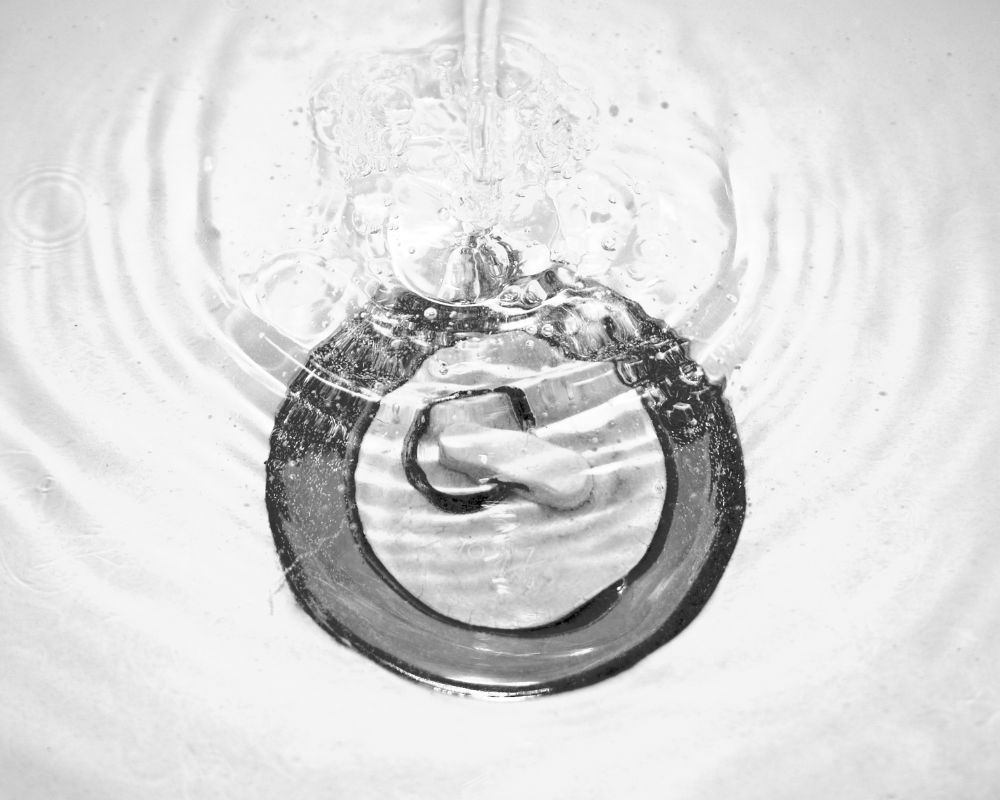
To troubleshoot, you can perform a simple test. Fill the sink or tub with a few inches of water, then release it. Watch closely to see if the water forms a vortex or spirals smoothly. If it doesn’t, there’s likely a blockage. Also, check other drains to verify the problem isn’t isolated to one fixture, hinting at a potential plumbing system issue.
Regular maintenance can help, like using a strainer to catch debris before it enters the drain. This proactive approach resolves the immediate issue and guarantees that a preventable plumbing problem doesn’t inconvenience those you serve. Your attention to detail can make a significant difference.
Unpleasant Odors
Unpleasant odors emanate from drains when organic matter like food waste, hair, or soap scum accumulates and decomposes, signaling a potential clog. As someone who seeks to serve others, detecting these odors early can help prevent minor issues from becoming major plumbing problems. When you notice a persistent, foul smell near your sink, shower, or bathtub, it indicates that material is trapped within the pipes, breaking down and producing gases.
Take immediate action by inspecting the drain for visible blockages. Using a flashlight, look for any trapped debris. Consider removing the drain cover to gain better access. If you find any buildup, use a bent wire hanger or a specialized drain snake to extract the debris carefully. Run hot water afterward to flush out remaining particles and guarantee the drain is clear.
For regular maintenance, pour a mixture of baking soda and vinegar down the drain monthly. This combination helps break down organic matter and neutralizes odors. By addressing unpleasant smells promptly, you can maintain a hygienic environment and guarantee smooth water flow, ultimately enhancing the well-being of those you serve.
Gurgling Sounds
Besides odors, you might also notice gurgling sounds from your drains, indicating that air is trapped in the pipes due to a partial clog. This sound is a key early warning sign that shouldn’t be ignored. When a drain is partially blocked, water can’t flow smoothly, causing air pockets to form. These air pockets produce a gurgling noise as water tries to pass through the obstruction. Identifying this symptom early can prevent more severe plumbing issues and help you serve others by maintaining a well-functioning home.
To address gurgling sounds, consider the following actions:
- Inspect the Drain: Check if the drain is visibly clogged with debris, such as hair or soap scum. Removing these blockages manually may alleviate the issue.
- Use a Plunger: Apply pressure to dislodge deeper clogs. Confirm a tight seal around the drain for maximum effectiveness.
- Apply a Drain Cleaner: If manual methods fail, use a chemical or enzymatic drain cleaner to break down obstructions. Follow the product instructions carefully to avoid damage.
Water Backups
Water backups occur when a clog in the plumbing system causes water to reverse its flow and rise back up through the drains, often indicating a more severe obstruction that requires immediate attention. You might notice this happening in your sinks, bathtubs, or toilets. When you see water backing up, it’s essential to act quickly. Left unattended, these backups can lead to water damage, unsanitary conditions, and costly repairs.
Start by identifying the location of the backup. The clog is likely in the main sewer line if water rises in multiple drains simultaneously. In such cases, professional help is advisable to prevent further complications. However, if only one fixture is affected, the problem might be localized to that drain.
You can attempt to clear localized backups using a plunger or a plumber’s snake. Make sure you create a tight seal with the plunger and use steady, controlled movements to dislodge the clog. For more stubborn obstructions, a plumber’s snake can navigate deeper into the pipes to break up debris.
Always prioritize safety by wearing gloves and eye protection. Remember, resolving water backups promptly helps protect the well-being of those you serve.
Frequent Clogs
Identifying the causes of frequent clogs is essential to preventing recurring plumbing issues and maintaining ideal drain function. When you notice clogs happening often, it’s time to assess the underlying reasons. If left unaddressed, regular clogs can lead to more severe blockages and potentially costly repairs. Here’s how you can pinpoint the root causes and take preventive measures:
- Improper Disposal of Waste: Ensure you only put appropriate materials down the drain. Kitchen sinks should never receive grease, coffee grounds, or fibrous foods. Avoid flushing items like wipes, cotton balls, or excessive toilet paper in bathrooms.
- Accumulation of Hair and Soap Scum: Hair and soap can combine to create stubborn blockages in bathroom drains. Consider installing drain catchers to trap hair before it enters the pipes and regularly clean them out to maintain flow.
- Pipe Misalignment or Damage: Older homes may have misaligned or damaged pipes, which can cause frequent clogs. Regular inspection by a plumbing professional can identify and rectify these structural issues, ensuring smooth operation over time.
Water Pooling
Detecting water pooling around your drains clearly indicates a clog, and addressing this promptly can prevent further complications in your plumbing system. When you notice water gathering near sinks, tubs, or showers, the drain isn’t efficiently directing water away, possibly due to accumulated debris. This pooling can lead to water damage or mold growth, affecting the plumbing and the health of those in the home.
To tackle this, first inspect the affected drain. Using tools like a drain snake or plunger, remove any visible obstructions, like hair or soap residue. Be thorough in your cleaning to verify you have dislodged the blockage entirely. Regularly check drains for signs of slow drainage, which can be an early warning of potential pooling issues. Keeping your drains clean through scheduled maintenance can greatly reduce the risk of clogs.
Encourage those you serve to adopt these practices, as proactively maintaining plumbing can avert costly repairs. By offering assistance and guidance, you empower others to manage their household systems effectively, verifying a functional and healthy living environment for everyone involved.
Strange Noises
As you monitor your drains, listening for strange gurgling or bubbling noises can help identify a potential clog before it worsens. These sounds often indicate the presence of trapped air in the pipes, a common precursor to a blockage. By catching this issue early, you can prevent more extensive damage and inconvenience for those you serve.
Here’s what to listen for:
- Gurgling Sounds: When you hear gurgling from your sink, shower, or bathtub drains, it’s a sign that air is struggling to pass through a partially blocked pipe. Take action promptly to clear the obstruction.
- Bubbling Noises: If you notice bubbling noises as water drains, it indicates that a buildup of debris is impeding water flow. Investigate the source and clear the blockage to restore normal flow and prevent further complications.
- Pipe Vibration: Sometimes, a clogged drain can cause pipes to vibrate, creating unusual sounds. This occurs when water pressure builds up behind a blockage. Addressing this promptly can safeguard your plumbing system.
Toilet Trouble
A clogged toilet often reveals itself through a slow flush or water rising perilously close to the rim, signaling an urgent need for immediate intervention. You’ll want to act quickly to prevent potential overflow and unsanitary conditions. Start by inspecting the toilet bowl for visible obstructions. Often, items like excess toilet paper or foreign objects can be the culprits.
Next, equip yourself with a plunger. Verify it’s the flange type, as its design provides a better toilet seal. Position the plunger over the drain hole, verifying a firm seal. With steady, controlled force, push down and then pull up sharply to create suction. Repeat this process several times to dislodge the blockage.
If plunging doesn’t resolve the issue, consider using a plumbing snake. Feed the flexible auger into the drain, turning the handle clockwise to break up or latch onto the obstruction. Once you feel resistance lessen, retract the snake carefully.
Lastly, flush the toilet to confirm that water flows freely. If problems persist, it may be time to consult a professional plumber to diagnose deeper issues within your bathroom plumbing system. Your prompt action can swiftly restore order and comfort while protecting the integrity of your bathroom’s overall plumbing setup.
Bubbling Water
When you notice water bubbling in your sink or bathtub drains, it indicates a blockage disrupting the normal flow of wastewater. This bubbling occurs because air is trapped and forced through the water due to the obstruction. Understanding this symptom can help you address the issue promptly, preventing further complications. Here are practical steps to evaluate:
- Inspect nearby drains: If you see bubbling in one drain, check others in close proximity. This can help you determine if the problem is localized or affecting a broader section of your plumbing system.
- Listen for unusual noises: As air struggles to escape the pipes, you might hear gurgling or other unusual sounds. These noises are clear signs of trapped air trying to navigate through the blockage.
- Perform a simple test: Fill the affected sink or tub with water and watch how it drains. Pay attention to any bubbles forming as the water level decreases. This can confirm if the blockage is significant enough to require professional intervention.
Draining Inconsistencies
Draining inconsistencies manifest as water draining slower than usual, signaling potential obstructions that need immediate attention to prevent plumbing issues. When you notice water lingering longer in sinks, tubs, or showers, it indicates something’s amiss. This could be due to hair, soap, grease, or other debris buildup. Addressing these issues promptly not only prevents a complete blockage but also maintains the efficiency of your plumbing system, ensuring it serves others effectively.
To tackle draining inconsistencies, start by cleaning the drain cover. Remove any visible debris, then use a plunger to create suction and dislodge minor clogs. For persistent issues, a drain snake or auger can reach deeper blockages. Insert it into the drain, turning the handle clockwise to break up and extract the obstruction. If you’re dealing with greasy residue, try pouring a mixture of baking soda and vinegar down the drain, followed by hot water. This combination acts as a natural cleaner, dissolving build-ups.
Monitoring draining speeds regularly allows you to act swiftly at the first sign of trouble. By maintaining clear drains, you’re preserving your plumbing and ensuring a seamless experience for everyone relying on these essential facilities.
Conclusion
You’ve got two scenarios: a smoothly flowing river or a dammed stream struggling to pass. Spotting slow drainage, foul odors, or gurgling pipes early is like choosing the former. Ignore these signals, and you’re heading toward water backups and frequent clogs. The key is vigilance—regular maintenance with strainers and a baking soda-vinegar mix prevents these nuisances. Keep your drains clear; don’t let them become blocked, chaotic mess. When in doubt, always contact professionals who can ensure your plumbing system is functioning optimally. Prioritize prevention and guarantee seamless water flow by staying proactive and seeking expert assistance when needed.
Frequently Asked Questions
What Tools Can I Use to Unclog a Drain Myself?
You can use a plunger for strong suction, a drain snake for deeper blockages, or a wet/dry vacuum to remove debris. Try baking soda, vinegar, and hot water to dissolve clogs for chemical-free options.
How Often Should I Clean My Drains to Prevent Clogs?
An ounce of prevention is worth a pound of cure. Clean your drains monthly using a mix of baking soda and vinegar. This keeps things flowing smoothly, prevents clogs, and ensures you serve others efficiently.
Can Certain Household Products Prevent Drain Clogs?
Yes, certain household products can prevent drain clogs. Use enzyme-based cleaners regularly; they break down organic matter without harming pipes. Baking soda and vinegar can also help maintain clear drains, ensuring efficient flow for everyone’s benefit.
Are There Any Harmful Effects of Using Chemical Drain Cleaners?
Ever wondered what lurks beneath your sink? That chemical cleaner promises quick fixes but could corrode pipes, harm ecosystems, and release toxic fumes. Opt for safer methods, and you’ll protect your plumbing and the environment.
What Signs Indicate a Plumbing Issue Beyond a Simple Clog?
You notice water backing up in multiple fixtures, hear strange gurgling sounds, or smell unpleasant odors. These signs suggest a plumbing issue beyond a simple clog, requiring professional assessment to prevent further complications. Prioritize quick action.