
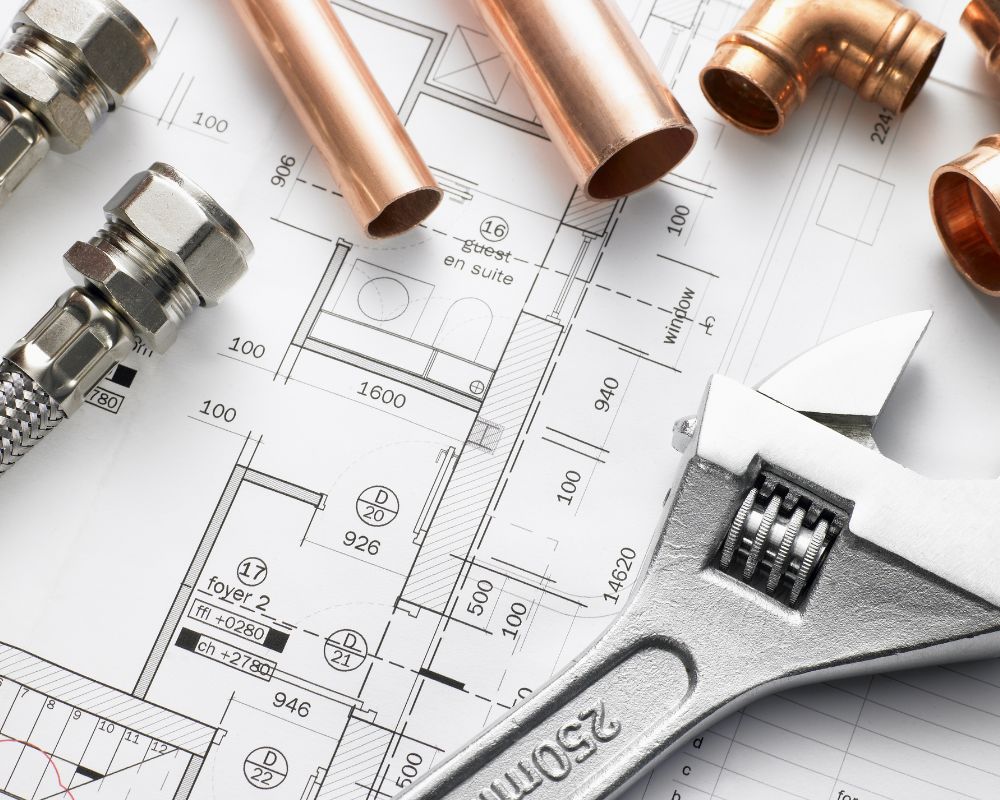
When considering upgrades to your home’s plumbing system, it’s essential to consider the materials you choose. Sustainable options like PEX or recycled metals reduce environmental impact and offer long-term durability and cost savings. But have you ever wondered how these materials can enhance your home’s efficiency while minimizing your carbon footprint? You might find that the right choices can transform more than just your utility bills. As you explore this topic further, you’ll uncover how sustainable plumbing can align with your environmental values without compromising performance.
Understanding Sustainable Plumbing
Grasping the essence of sustainable plumbing involves recognizing the impact of material choices on both the environment and long-term efficiency. You must understand that not all plumbing materials are created equal in terms of sustainability. Opting for materials that minimize environmental harm is vital. For instance, traditional materials like PVC can release harmful chemicals during production and disposal. Instead, consider materials such as copper or PEX, which have a lower environmental footprint and offer durability.
To serve others effectively through sustainable plumbing, you should prioritize reducing water wastage and energy consumption. Selecting materials that enhance water efficiency, like low-flow fixtures, can make a significant difference. Additionally, incorporating materials with a high recycling rate will reduce the carbon footprint of your plumbing projects. Copper, for example, is not only recyclable but also naturally resistant to bacteria, contributing to healthier water systems.
Embracing sustainable plumbing means you’re not just choosing for yourself; you’re making a choice that impacts future generations. By being informed and deliberate about your material selections, you can contribute to a healthier planet and inspire others to do the same.
Benefits of Eco-Friendly Materials
Choosing eco-friendly plumbing materials lessens your environmental impact and enhances system longevity and efficiency. By opting for sustainable options, you reduce waste and conserve resources, directly contributing to environmental preservation. These materials often require less energy to produce and distribute, minimizing carbon footprints. They’re designed to last longer, decreasing the frequency of replacements, which conserves resources and reduces your long-term costs.
Eco-friendly materials like PEX piping are resistant to scale and chlorine, improving water quality for your household. They don’t leach harmful chemicals into the water supply, promoting healthier living conditions for you and your family. Additionally, these materials can improve your plumbing system’s efficiency, reducing water usage and lowering utility bills.
Recycled Metals in Plumbing
Another effective way to embrace sustainability in plumbing is by using recycled metals, which offer durability and reduce the demand for newly mined resources. This aligns well with professional plumbing repair and maintenance practices, allowing you to create a plumbing system that’s both eco-friendly and long-lasting.. Recycled metals are often repurposed from existing products, cutting down on energy-intensive mining processes and preserving natural resources. Here’s why you should consider recycled metals for your plumbing:
- Durability: Recycled metals, like copper and brass, maintain their strength and resistance to corrosion, ensuring a long service life for your plumbing system.
- Environmental Impact: Utilizing recycled metals considerably reduces energy consumption and greenhouse gas emissions compared to virgin metals.
- Cost-Efficiency: While the upfront cost might be comparable, the long-term savings from reduced maintenance and replacement needs make recycled metals a smart financial choice.
- Aesthetic Appeal: Recycled metals can offer unique, rustic finishes that add character to your home while promoting sustainability.
Advantages of PEX Pipes
When looking for eco-friendly plumbing solutions, PEX pipes offer a versatile and energy-efficient alternative to traditional materials. Their flexibility reduces the need for joints and fittings, minimizing potential leak points and ensuring a more reliable system. Because PEX pipes are lightweight, transporting and installing them requires less energy, which helps reduce your home’s overall carbon footprint.
Another advantage of PEX pipes is their resistance to scale and chlorine, which prolongs their lifespan and maintains water quality. This durability means less frequent replacements, contributing to sustainability by reducing waste. Plus, PEX pipes can expand and contract, making them resistant to freezing and bursting during colder months, a common issue with metal pipes.
From a practical standpoint, PEX pipes are easier to install, saving you labor costs and time. Their compatibility with various plumbing systems means you can seamlessly integrate them into your existing setup without extensive modifications. In addition, PEX piping systems often use a manifold system, allowing you to control water flow to different parts of your home efficiently. By opting for PEX, you’re not just choosing a sustainable option but also enhancing the efficiency and reliability of your home’s plumbing infrastructure.
Exploring Bioplastic Options
As you continue to seek sustainable plumbing solutions, exploring bioplastic options can offer innovative materials that reduce environmental impact while maintaining functionality. Bioplastics, derived from renewable sources, present a compelling alternative to conventional plastics. Incorporating bioplastics into your plumbing system can make a positive difference for the environment and future generations.
Consider these key benefits of bioplastic plumbing materials:
- Renewable Resources: Bioplastics are made from natural materials like corn starch, sugarcane, or vegetable fats, reducing reliance on fossil fuels. This shift promotes sustainability and supports eco-friendly practices.
- Biodegradability: Many bioplastics are designed to break down naturally over time, minimizing landfill waste. This feature guarantees a smaller environmental footprint compared to traditional plastics.
- Durability: Despite being eco-friendly, bioplastics can offer durability and performance comparable to traditional materials. They can handle various plumbing needs without compromising quality or efficiency.
- Reduced Carbon Emissions: The production process of bioplastics generally results in lower carbon emissions, which contribute to reduced greenhouse gas emissions and foster a healthier planet.
Low-Flow Fixtures Benefits
Embracing low-flow fixtures in your plumbing system conserves water, enhances energy efficiency, and reduces utility costs. These fixtures, including showerheads, faucets, and toilets, are designed to use considerably less water than traditional models. By integrating them into your home, you’re consciously choosing to protect our planet’s precious resources. This decision reflects a commitment to sustainability that benefits both the environment and your wallet.
Consider the impact on energy consumption: less water usage means less energy needed to heat the water, which translates into lower energy bills. You’re not just conserving water; you’re also contributing to reducing the demand for energy production, which often relies on non-renewable sources. Additionally, low-flow fixtures can remarkably lower your household’s carbon footprint, aligning with a broader mission to serve the planet and future generations.
Installation is straightforward, and the return on investment is impressive. By choosing low-flow options, you’re demonstrating leadership in sustainable living, inspiring others to follow suit. In a world where every drop counts, your proactive steps in adopting low-flow fixtures can make a considerable difference.
Durable Ceramic and Glass
Selecting materials that align with your commitment to sustainability, consider durable ceramic and glass for plumbing fixtures, offering longevity and low environmental impact. These materials enhance your home’s aesthetic appeal and provide practical, eco-friendly solutions. Ceramic and glass are both recyclable, reducing waste and conserving resources. Here’s why these materials are ideal for those who wish to serve both their household and the planet:
- Longevity: Ceramic and glass fixtures have a long lifespan, minimizing the need for frequent replacements. This durability translates to less waste and fewer resources consumed over time.
- Non-Porous Nature: Both materials resist stains and bacteria, promoting a cleaner, healthier environment. This attribute makes them perfect for kitchens and bathrooms, where hygiene is paramount.
- Energy Efficiency: The production of ceramics and glass requires less energy than metals or synthetic materials, reducing one’s carbon footprint.
- Aesthetic Versatility: Available in a variety of styles and finishes, these materials allow you to create a space that’s both beautiful and ecologically responsible.
Non-Toxic Sealants and Glues
Opt for non-toxic sealants and glues to guarantee your plumbing projects are environmentally friendly and safe for your household. Traditional sealants often contain volatile organic compounds (VOCs) that can release harmful chemicals into your living space. By choosing non-toxic alternatives, you’re protecting your family’s health and promoting better indoor air quality. These products are crafted from natural materials, ensuring they won’t release harmful toxins over time.
When selecting a non-toxic sealant or glue, look for labels that indicate low VOC content or certifications from reputable environmental organizations. Brands like eco-friendly silicone or water-based polyurethane offer excellent sealing properties without compromising health or the planet. These options are durable, water-resistant, and versatile for various plumbing tasks, from sealing pipes to fixing leaks.
Additionally, consider the application process. Many non-toxic products are user-friendly, allowing you to apply them efficiently without specialized tools or skills. Their ease of use lets you complete your projects quickly while minimizing waste. By choosing these sustainable solutions, you’re enhancing your home’s safety and contributing to a healthier environment, aligning with your desire to serve others and lead by example.
Energy-Efficient Water Heaters
Investing in energy-efficient water heaters can greatly reduce your household’s energy consumption and lower utility bills while minimizing your carbon footprint. When choosing an eco-friendly water heater, you’re not just making a wise financial decision but also contributing to a sustainable future. Here are some essential factors to take into account:
- Type of Heater: Opt for tankless or solar water heaters. Tankless models heat water on demand, eliminating the need for stored hot water and reducing standby heat loss. Solar heaters utilize renewable energy, further decreasing environmental impact.
- Energy Factor (EF): Check the EF rating, which measures the water heater’s efficiency. A higher EF means better energy efficiency. Look for products with the ENERGY STAR label to guarantee top performance.
- Size Matters: Select the right size for your household’s needs. Over-sizing leads to energy wastage, while under-sizing might not meet demand. Proper sizing guarantees peak efficiency and comfort.
- Installation and Maintenance: Proper installation and regular maintenance are vital. Hire a professional for installation and schedule periodic check-ups to keep the system running at peak efficiency.
Making the Sustainable Choice
Choosing sustainable plumbing materials means actively reducing environmental impact while ensuring long-term savings and efficiency in your home. Start by selecting pipes made from copper or PEX, as these materials are durable, recyclable, and have lower environmental footprints than traditional PVC. Copper naturally resists bacteria, enhancing water quality, while PEX offers flexibility and resilience, reducing the need for frequent replacements.
When choosing fixtures, opt for WaterSense-labeled products. These fixtures, including faucets and showerheads, are certified to use at least 20% less water without sacrificing performance. This conserves water and reduces utility bills, allowing you to allocate resources toward other sustainable initiatives.
Additionally, consider installing dual-flush toilets, which offer the option of a full or half flush, depending on necessity. This simple choice can save thousands of gallons of water annually, contributing considerably to conservation efforts.
Don’t overlook the insulation of your pipes. Properly insulated pipes reduce heat loss, ensuring hot water reaches your faucets quicker and minimizing waste. By making these informed choices, you’re improving your home’s sustainability and setting a precedent for responsible living that benefits the community and future generations.
Conclusion
By choosing sustainable plumbing materials, you’re enhancing your home’s efficiency and contributing to a healthier planet. Did you know low-flow fixtures can reduce your household water usage by up to 60%? Opt for eco-friendly options like PEX pipes and recycled metals to guarantee durability and minimize waste. Incorporating non-toxic sealants and energy-efficient water heaters further solidifies your commitment to sustainability. These practical choices make a significant impact on the environment.
Frequently Asked Questions
How Do I Find a Contractor Experienced in Sustainable Plumbing Installations?
Start by researching local contractors online, focusing on those with eco-friendly certifications. Check reviews for sustainability projects. Ask for recommendations from green building communities. Confirm they prioritize sustainable practices that benefit both the environment and your community.
Are There Government Incentives for Using Sustainable Plumbing Materials?
Imagine your home as a green sanctuary. Yes, government incentives can support your eco-friendly dreams. Immerse yourself in local and federal programs offering rebates or tax credits, fueling your mission to serve the planet sustainably.
What Is the Cost Difference Between Traditional and Sustainable Plumbing Materials?
Sustainable plumbing materials often cost more upfront, but they save money long-term through durability and efficiency. Prioritize eco-friendly options; they reduce environmental impact and contribute to a healthier community, aligning with your desire to serve.
Can Sustainable Plumbing Materials Be Used in Older Homes?
Why wouldn’t you choose sustainable plumbing materials for older homes? You can retrofit eco-friendly options like PEX piping, which reduces environmental impact. It’s a meaningful way to enhance efficiency, preserve resources, and serve future generations responsibly.
How Do I Ensure My Sustainable Plumbing Materials Are Certified Eco-Friendly?
Check for certifications like LEED, WaterSense, or Green Seal to guarantee eco-friendliness—research manufacturers’ sustainability practices. You’re contributing to environmental stewardship by choosing certified materials helping future generations thrive in a healthier planet.