It’s no coincidence that just as you start noticing an odd smell in your basement, your neighbor mentions they’re dealing with a sewer line repair. As a homeowner, you might ponder the complexities of sewer line issues and wonder if you’re next. The signs of trouble aren’t always obvious, and the temptation to ignore minor inconveniences can be strong. Understanding the nuances of inspection techniques and repair solutions is key. So, how can you differentiate between a temporary nuisance and a serious problem that demands immediate attention?
Common Sewer Line Problems
Sewer line problems often manifest as blockages, leaks, or corrosion, and understanding these issues is essential for effective repair and maintenance. Blockages typically arise from debris buildup, tree root intrusion, or grease accumulation. You’ll need to identify the blockage source using a sewer camera inspection, which provides a clear view of the pipe’s interior. Once pinpointed, hydrojetting can effectively clear the obstruction, restoring flow and preventing future clogging.
Leaks, on the other hand, often result from pipe joint failures or shifting soil. Trenchless repair techniques like cured-in-place pipe (CIPP) lining are ideal when you encounter leaks. CIPP involves inserting a resin-coated liner into the existing pipe, which hardens to form a new, seamless pipe within the old one, eliminating leaks without extensive excavation.
Corrosion is another common issue, particularly in older cast iron or galvanized pipes. Corrosive materials can erode the pipe, leading to structural weaknesses. You might consider pipe bursting, a method where a new pipe is pulled through the old one, fracturing it as it goes. This technique replaces the corroded pipe entirely, ensuring long-term durability and reliability. Understanding these methods empowers you to serve effectively.
Signs of Sewer Line Damage
Detecting sewer line damage early is essential, so watch for telltale signs like slow drains, unusual odors, or persistent wet patches in your yard. Slow drainage indicates potential blockages or pipe deterioration. Monitor sinks, tubs, and toilets; your sewer line may be compromised if the water doesn’t flow smoothly. Unusual odors, especially a persistent sewer gas smell, suggest cracks or leaks, allowing harmful gases to escape.
Unexplained wet patches or lush, green grass areas in your yard might indicate a sewer line leak. Wastewater can seep into the soil, creating fertile ground for grass and plants. If you notice sinkholes forming, it’s a significant red flag.
Listen for unusual gurgling noises from your plumbing fixtures. This often signals trapped air due to blockages or breaks. Additionally, watch for backflow issues. If water backs up into your home, it can signal a severe sewer line problem.
Addressing these signs promptly prevents further damage and protects your neighbors from potential health hazards. Regular inspections and maintenance can help you serve your community by ensuring your sewer system functions safely and efficiently.
Causes of Sewer Line Issues
Due to a combination of factors, sewer line issues often arise from tree root intrusion, pipe corrosion, and ground shifting that compromises the system’s integrity. Tree roots naturally seek moisture and nutrients, making your sewer line a prime target. As roots infiltrate tiny cracks, they expand and exert pressure, leading to blockages or ruptures. It’s crucial to inspect nearby trees and consider proactive root barriers regularly.
Pipe corrosion is another common culprit. Over time, materials like cast iron or galvanized steel corrode due to chemical reactions with soil and wastewater. This degradation weakens the pipe walls, increasing the risk of leaks and collapses. To mitigate this, verify your sewer system uses corrosion-resistant materials like PVC or HDPE, especially during renovations or replacements.
Ground shifting, often caused by natural events like earthquakes, heavy rainfall, or construction activities, can misalign or break pipes. Regularly monitoring the soil stability around your property can preempt these issues. If you notice signs of shifting, consult a geotechnical engineer to assess the situation.
Addressing these issues promptly safeguards your property and guarantees you continue serving others effectively by maintaining a hygienic and functional environment.
DIY Inspection Techniques
A thorough visual assessment of your sewer line can reveal early signs of damage like cracks, misalignments, or root intrusions, ensuring timely intervention and minimizing costly repairs. Start by locating the sewer cleanout, typically a capped pipe often found in your yard. Remove the cap carefully to prevent damaging the threads. Use a high-lumen flashlight to inspect the visible portion of the line. Look for standing water, which might indicate a blockage, or any unusual odors suggesting a leak.
Utilize a drain camera for an in-depth inspection. This tool allows you to navigate the pipeline, identifying potential issues that aren’t visible to the naked eye. Pay attention to any shifts or offsets in the line, as these could indicate structural problems. If roots are present, they often appear as slender threads entering through joints or cracks.
Keep an eye on your plumbing fixtures, too. Slow drainage or frequent backups can signal bigger sewer line problems. Remember, while DIY inspections can highlight issues, they require careful execution to avoid exacerbating existing damage. Your proactive efforts in early detection can considerably reduce the impact on your household and community, maintaining a healthy sewer system.
Professional Inspection Methods
To thoroughly assess your sewer line, enlist a certified professional who utilizes advanced tools like hydro jetting equipment and trenchless technology to diagnose and address underlying issues efficiently. Professionals often begin with a sewer camera inspection, deploying a high-resolution camera through the pipes to identify blockages, roots, or cracks. This non-invasive method gives a clear visual diagnosis without unnecessary digging.
Next, you might experience hydrojetting, where high-pressure water jets clear stubborn clogs and debris, guaranteeing ideal flow and preventing future blockages. This technique not only removes existing issues but also maintains the integrity of your sewer system. Trenchless technology, such as pipe bursting or slip lining, allows repairs with minimal disruption to your property. These methods replace or reinforce pipes without excavating your yard, which is ideal for preserving landscaping or hardscaping.
When choosing a professional, prioritize those who offer a thorough inspection report. The report should detail the current condition, potential risks, and recommended solutions. Communication is key—make sure they explain the findings and repair options clearly, empowering you to make informed decisions. With the right professional partner, you’ll secure your sewer line’s longevity and reliability, effectively serving your household’s needs.
Traditional Repair Techniques
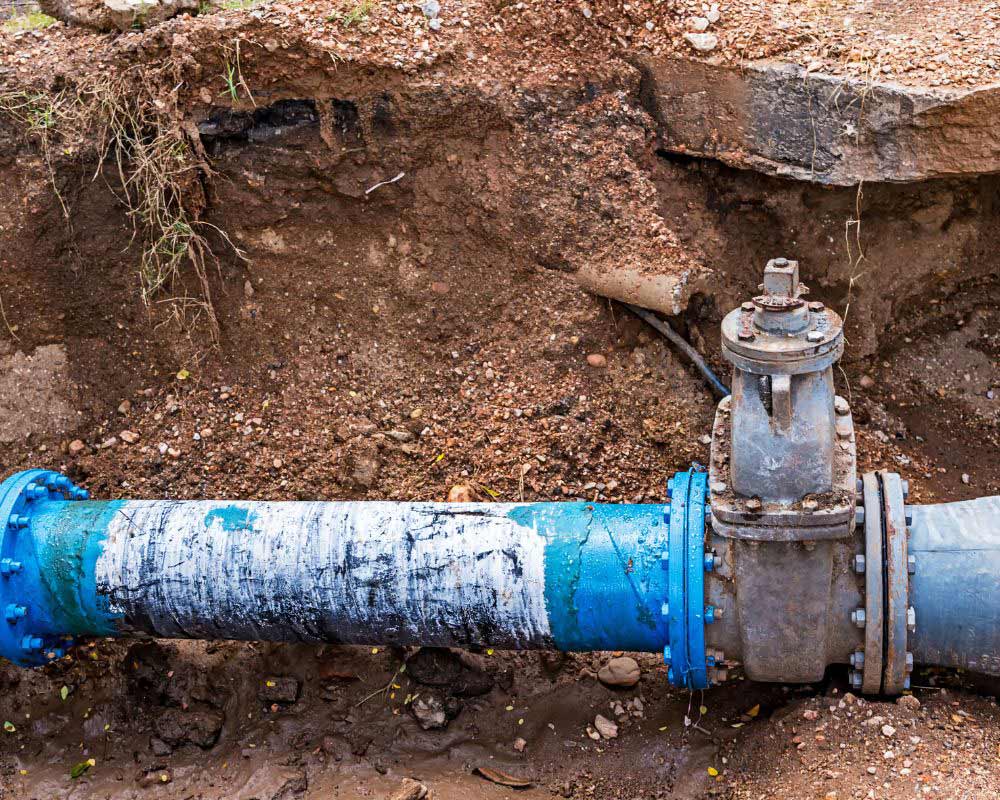
Traditional sewer line repair techniques often involve open trench excavation, where technicians dig directly into the damaged pipe to replace or repair it. This method requires precision and expertise to guarantee minimal disruption to your property. By exposing the entire length of the sewer line, experts can accurately assess the extent of the damage, whether it’s due to root intrusion, corrosion, or collapse.
You’ll need to collaborate closely with the technicians, as this process can be labor-intensive and time-consuming. It’s crucial to understand the necessity of the excavation, especially in scenarios where the damage is extensive and cannot be addressed through less invasive methods. The open trench method allows for complete visibility, facilitating thorough inspection, proper alignment, and quality installation of new pipes.
When engaging in traditional repair, consider the impact on landscaping and structures. Technicians will take great care to restore your property post-repair, but planning for potential re-landscaping is wise. This technique remains a reliable choice for maintaining long-term sewer line integrity. Your involvement and understanding of the process can greatly enhance the efficiency and outcome of the repair, ultimately serving your home’s needs effectively.
Trenchless Repair Solutions
Modernizing sewer line repair and trenchless solutions offer a less invasive approach. These advanced methods use pipe bursting or lining techniques to fix or replace damaged sections without extensive digging. These methods minimize disruption to your landscape, preserving lawns, driveways, and gardens. With pipe bursting, a cone-shaped bursting head fragments the existing pipe while simultaneously pulling a new one into place. This technique is ideal for replacing old or severely damaged pipelines.
Alternatively, pipe lining involves inserting a flexible liner coated with resin into the existing pipe. Once in place, it’s inflated and cured to form a new, durable interior lining. This method is perfect for repairing minor cracks or leaks without removing the pipe.
Opting for trenchless repair means less downtime for your household, as these methods typically require less time than traditional excavation. The reduced need for heavy machinery also means a quieter and cleaner process. Before you begin, make certain you consult with a reputable contractor who specializes in trenchless technology. A thorough inspection with a sewer camera can identify the most suitable approach for your situation, ensuring efficient and effective results while maintaining the integrity of your property.
Cost of Sewer Line Repairs
Understanding the cost of sewer line repairs involves considering factors such as the method used, the extent of the damage, and the pipeline’s location. Trenchless methods, like pipe bursting or cured-in-place pipe (CIPP) lining, often cost more upfront but save you from landscaping restoration expenses. While initially cheaper, traditional trench repairs might lead to higher overall costs due to property disruption.
Assess the damage carefully. Minor clogs or partial collapses might only require hydrojetting or spot repairs, which are less costly. However, significant structural damage necessitates total replacements, elevating costs. Always inspect the pipeline’s location. Pipes under driveways or near tree roots often need more complex solutions, influencing labor and material expenses.
Consider local regulations and permit fees, as these vary by jurisdiction and can impact your budget. Labor costs fluctuate based on geographical location and the contractor’s expertise. It’s prudent to obtain multiple quotes and detailed breakdowns of services. Remember, investing in quality repairs guarantees the longevity of your sewer line, ultimately serving your household better. By understanding these factors, you can make informed decisions and manage costs effectively, guaranteeing a safe and efficient system for your home.
Choosing the Right Contractor
Selecting the right contractor for your sewer line repair means scrutinizing their experience, checking for proper licensing, and guaranteeing they have a proven track record with trenchless technology. This decision is vital for efficient and sustainable repairs. Start by confirming the contractor holds a valid license and insurance. These credentials protect you from liability and guarantee compliance with local codes. Experience in trenchless methods like pipe bursting or cured-in-place pipe (CIPP) is essential for minimizing disruption to your property.
Consider these factors:
- References and Reviews: Seek testimonials from previous clients to gauge reliability and quality of work.
- Detailed Estimates: A thorough breakdown of costs helps you understand where your money goes and prevents hidden expenses.
- Warranty Offered: A solid warranty reflects confidence in workmanship and materials, providing peace of mind.
- Project Timeline: Clear timeframes allow you to plan and minimize inconvenience during repairs.
- Customer Service: Responsive communication guarantees you’re informed and respected throughout the process.
Preventing Future Sewer Problems
Regular maintenance and timely inspections are essential in identifying minor issues before they escalate into costly sewer problems. You can pinpoint obstructions like tree root intrusions or pipe corrosion by scheduling routine CCTV drain surveys. These inspections allow you to address potential hazards proactively, minimizing the risk of unexpected sewer line blockages or collapses.
To prevent buildup, consider implementing a regular hydro-jetting schedule. This high-pressure cleaning method guarantees that grease, debris, and sediment are flushed away, maintaining peak flow capacity. Educate your household on what not to flush; wet wipes and grease can lead to severe clogs, even if labeled as ‘flushable.’
Installing a backwater valve is another proactive measure, especially if your home is in a flood-prone area. This device prevents municipal sewer water from backing into your home, safeguarding your property and health. Also, inspect your landscape design—roots from large trees can penetrate pipes. Choose plantings that are sewer-safe to avoid root infiltration.
Lastly, establish a relationship with a reliable plumbing professional who can provide expert advice and periodic check-ups. Remember, a well-maintained sewer system not only protects your home but also promotes the well-being of your community.
Conclusion
As a homeowner, consider your sewer line the lifeline of your home’s health. Recognize the warning signals—slow drains and strange smells—like a canary in a coal mine, indicating deeper issues. With trenchless techniques and expert inspections, you’ll minimize disruptions and costs. Choose your contractor wisely, like selecting the right tool from a toolbox to guarantee precision. By understanding these systems, you invest in your home’s longevity, safeguarding against future plumbing pitfalls.
Frequently Asked Questions
What Is the Typical Lifespan of a Residential Sewer Line?
A residential sewer line can last 50 to 100 years, depending on material and maintenance. Clay pipes often last longer, while PVC or cast iron might need more frequent inspections to guarantee longevity.
Are There Any Eco-Friendly Sewer Line Repair Options Available?
You can explore eco-friendly sewer line repair options like trenchless technology, which minimizes disruption and reduces waste. Techniques like pipe bursting or cured-in-place pipe (CIPP) lining offer sustainable solutions, aligning with environmentally-conscious homeowners’ values and community well-being.
How Can I Locate the Sewer Line on My Property?
Coincidentally, you can locate your sewer line using a sewer camera inspection. Contact local utility services for a property map. They’ll mark the “cleanout” access points, ensuring your efforts align with municipal guidelines enhancing neighborhood safety.
Are There Any Insurance Policies That Cover Sewer Line Repairs?
Yes, you can find insurance policies covering sewer line repairs. Check with your homeowner’s insurance for endorsements or riders. Consider service line coverage, specifically protecting underground utility lines, offering peace of mind and proactive protection.
How Does Weather Impact Sewer Line Performance and Durability?
Weather impacts sewer lines through temperature fluctuations, causing pipe expansion and contraction. Heavy rains increase the hydraulic load, risking overflows or infiltration. Freeze-thaw cycles can lead to cracks. Regular inspections and maintenance mitigate these issues, ensuring system longevity.